



Building Secure Fintech Applications: Security, Scalability, and User Trust
As Digital Transactions become increasingly prevalent, the demand for robust and secure fintech solutions continues to surge. Consequently, businesses must prioritize security, scalability, and user trust when developing financial technology platforms.
Understanding Financial Technology and Its Growing Impact
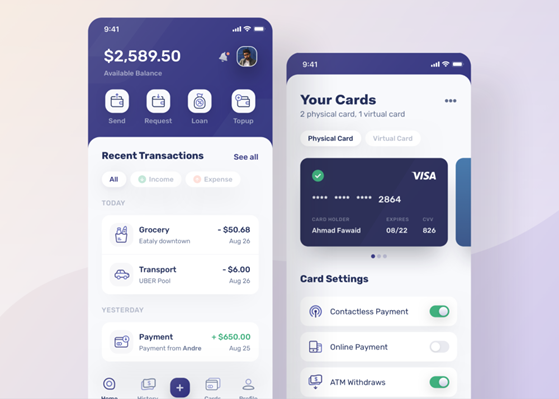
Fintech, short for financial technology, represents the intersection of finance and innovation. Essentially, it encompasses any technology that enables financial services to be accessible via computers or mobile phones. Moreover, this consumer-centric service has revolutionized how individuals and businesses manage their finances.
Today, fintech companies operate across various sectors, including retail banking, educational investment management, non-profit financial services, and the rapidly expanding cryptocurrency market. Additionally, these platforms have democratized access to financial services, making them available to previously underserved populations.
According to Statista’s fintech market insights, the global fintech market continues to experience exponential growth, demonstrating the increasing importance of secure digital financial solutions.
What is a Fintech Company?
A fintech company leverages cutting-edge technology to deliver financial services more efficiently than traditional institutions. Unlike conventional banks, these organizations utilize digital platforms to streamline operations, reduce costs, and enhance user experience. Subsequently, they’ve disrupted traditional financial models and created new opportunities for innovation.
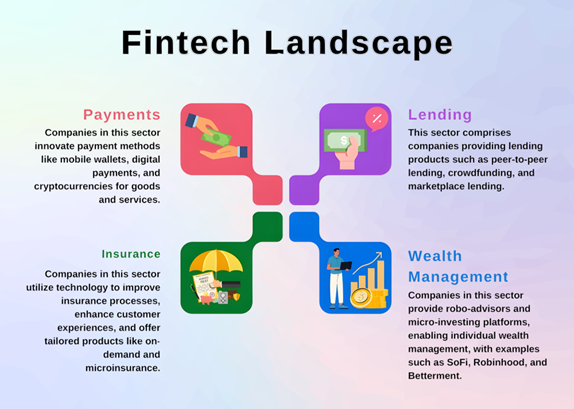
The fintech companies meaning extends beyond simple digital banking. Indeed, these enterprises encompass payment processors, lending platforms, investment apps, insurance technology providers, and blockchain-based solutions. Therefore, understanding the breadth of financial technology is crucial for businesses entering this space.
The Critical Importance of Security in Fintech Applications
Security stands as the cornerstone of any successful financial technology platform. Nevertheless, many emerging fintech solutions face significant challenges in protecting sensitive user data and financial information. Consequently, implementing comprehensive security measures isn’t optional—it’s absolutely essential.
The OWASP Foundation provides extensive resources on application security that are particularly relevant for fintech developers seeking to understand and mitigate common vulnerabilities.
Secure Application Development Best Practices
Building secure fintech applications requires adherence to industry-standard development practices. First and foremost, developers must integrate security considerations from the initial design phase rather than treating them as afterthoughts. Moreover, this proactive approach significantly reduces vulnerabilities and potential breaches.
Code review processes should be rigorous and continuous throughout development. Additionally, implementing secure coding standards helps prevent common vulnerabilities such as SQL injection, cross-site scripting, and buffer overflows. Furthermore, regular security audits ensure that applications remain protected against emerging threats.
Encryption protocols must be implemented at every level of data transmission and storage. Similarly, adopting end-to-end encryption protects user information both in transit and at rest. Therefore, even if unauthorized parties intercept data, they cannot decipher sensitive information.
The Power of Multi-Factor Authentication
Multi-factor authentication (MFA) has become indispensable for fintech companies seeking to protect user accounts. Specifically, this security measure requires users to provide two or more verification factors to gain access to their accounts. Consequently, even if passwords are compromised, accounts remain secure.
Implementation options include SMS-based codes, authenticator apps, biometric verification, or hardware tokens. Nevertheless, businesses should offer multiple MFA options to accommodate different user preferences and accessibility needs. Moreover, making MFA mandatory for sensitive transactions adds an extra layer of protection.
Secure API Development for Financial Technology
Application Programming Interfaces (APIs) serve as the backbone of modern fintech applications, enabling seamless integration with third-party services. However, poorly secured APIs represent significant vulnerabilities that cybercriminals can exploit. Therefore, secure API development must be a top priority.
API security measures should include robust authentication mechanisms, rate limiting to prevent abuse, input validation to block malicious requests, and comprehensive logging for audit trails. Additionally, using OAuth 2.0 or similar protocols ensures that only authorized applications can access sensitive data.
Regular API testing and penetration testing help identify potential weaknesses before they can be exploited. Furthermore, maintaining detailed API documentation allows development teams to understand security implications and implement appropriate safeguards.
Data Protection Strategies for Fintech Solutions
Protecting user data goes beyond preventing unauthorized access. Indeed, fintech companies must implement comprehensive strategies to ensure data integrity, availability, and privacy throughout the entire data lifecycle.
Data De-identification Techniques
Data de-identification involves removing or obscuring personally identifiable information (PII) from datasets. Consequently, this practice allows fintech organizations to analyze user behavior and trends without compromising individual privacy. Moreover, it helps companies comply with data protection regulations like GDPR and CCPA.
Tokenization replaces sensitive data with non-sensitive substitutes, ensuring that actual financial information never appears in databases or logs. Similarly, data masking obscures specific data elements while maintaining data utility for testing and analysis purposes. Therefore, these techniques balance operational needs with privacy requirements.
For comprehensive guidance on data protection, the National Institute of Standards and Technology (NIST) offers valuable frameworks and resources specifically designed for financial services security.
Comprehensive Data Backup Solutions
Data loss can be catastrophic for financial technology platforms. Subsequently, implementing robust backup strategies ensures business continuity and protects against ransomware attacks, hardware failures, or human errors. Moreover, regular backups enable quick recovery and minimize downtime.
Backup best practices include maintaining multiple backup copies across geographically distributed locations, automating backup processes to ensure consistency, regularly testing restoration procedures, and encrypting backup data to prevent unauthorized access.
Building Scalability into Fintech Applications
As fintech platforms grow, they must handle increasing transaction volumes without compromising performance or security. Therefore, scalability should be considered from the earliest development stages rather than addressed reactively.
Cloud Infrastructure and Microservices Architecture
Cloud-based infrastructure offers fintech companies the flexibility to scale resources dynamically based on demand. Furthermore, microservices architecture allows different application components to scale independently, optimizing resource utilization and improving resilience.
Container orchestration platforms like Kubernetes enable automated scaling, load balancing, and fault tolerance. Moreover, these technologies reduce operational complexity while improving application reliability. Subsequently, businesses can focus on innovation rather than infrastructure management.
Performance Optimization Strategies
Database optimization, caching mechanisms, and content delivery networks (CDN) significantly enhance application performance. Additionally, implementing asynchronous processing for non-critical tasks prevents bottlenecks during peak usage periods. Therefore, users experience consistently fast and responsive applications.
Establishing and Maintaining User Trust
Trust forms the foundation of successful fintech relationships. Consequently, companies must demonstrate their commitment to security, transparency, and customer service at every touchpoint.
Transparent Communication and Compliance
Fintech companies should clearly communicate their security measures, privacy policies, and data handling practices. Moreover, obtaining relevant certifications such as ISO 27001, PCI DSS, or SOC 2 demonstrates adherence to industry standards. Therefore, users gain confidence in the platform’s security posture.
Regular security updates and transparent incident response procedures show that companies take security seriously. Furthermore, promptly addressing vulnerabilities and notifying affected users builds credibility and maintains trust even during challenging situations.
The Payment Card Industry Security Standards Council provides essential compliance guidelines for fintech companies handling payment card information.
User Education and Support
Educating users about security best practices empowers them to protect their own accounts. Additionally, providing accessible customer support channels ensures users can quickly resolve issues or report suspicious activity. Subsequently, this collaborative approach strengthens overall platform security.
Effective Legal Strategies for Financial Technology
Navigating the complex regulatory landscape requires comprehensive legal strategies. Indeed, fintech regulations vary significantly across jurisdictions, making compliance challenging for companies operating internationally.
Regulatory Compliance Framework
Understanding applicable regulations such as KYC (Know Your Customer), AML (Anti-Money Laundering), and data protection laws is essential. Moreover, implementing automated compliance monitoring systems helps fintech companies identify and address potential violations before they become problematic.
Working with legal experts who specialize in financial technology ensures that applications meet all regulatory requirements. Furthermore, maintaining detailed audit trails and documentation facilitates regulatory examinations and demonstrates good faith compliance efforts.
For up-to-date regulatory information, the Financial Conduct Authority (FCA) provides valuable insights into fintech regulatory requirements and compliance standards.
How CDT Can Help You Build Secure Fintech Applications
At CDT, we understand the unique challenges facing fintech companies in today’s competitive landscape. Moreover, our comprehensive approach to financial technology development ensures that your application meets the highest standards for security, scalability, and user trust.
Our expert team specializes in implementing secure application development best practices tailored specifically for fintech solutions. Additionally, we provide end-to-end services including:
- Secure API development and integration
- Multi-factor authentication implementation
- Data de-identification strategies
- Comprehensive backup solutions
- Regulatory compliance consulting
- Scalability architecture design
- Security audits and penetration testing
- Cloud infrastructure optimization
- User experience design focused on trust-building
- Ongoing maintenance and support
Furthermore, we don’t just build applications we create long-term partnerships focused on your success. Therefore, whether you’re launching a new fintech platform or enhancing an existing one, CDT delivers the expertise and support you need to thrive in the financial technology sector.
Our proven methodology combines industry best practices with innovative solutions, ensuring your fintech application stands out in the market while maintaining the highest security standards. Moreover, we stay current with evolving regulations and emerging threats, so your application remains compliant and secure as the landscape changes.
Ready to transform your fintech vision into reality? Contact CDT today to discover how we can help you build secure, scalable, and trustworthy financial technology applications that exceed user expectations and regulatory requirements.
Frequently Asked Questions About Fintech Applications
Fintech, or financial technology, refers to innovative technology solutions that make financial services accessible through computers and mobile phones. It’s important because it democratizes access to financial services, reduces costs, improves efficiency, and enables previously underserved populations to participate in the financial system. Moreover, fintech has transformed how businesses and individuals manage payments, investments, lending, and banking activities.
A fintech company is any organization that leverages technology to deliver financial services more efficiently than traditional methods. These companies typically operate in sectors such as digital payments, mobile banking, peer-to-peer lending, investment platforms, insurance technology, cryptocurrency services, and financial management tools. Essentially, if a company uses innovative technology to improve financial services delivery, it qualifies as a fintech company.
The most critical security measures include multi-factor authentication (MFA) to protect user accounts, end-to-end encryption for data protection, secure API development to prevent unauthorized access, regular security audits and penetration testing, data de-identification to protect user privacy, comprehensive backup solutions for business continuity, and compliance with industry standards like PCI DSS and ISO 27001. Additionally, implementing secure coding practices and continuous monitoring are essential.
Fintech companies ensure regulatory compliance by implementing robust KYC (Know Your Customer) and AML (Anti-Money Laundering) procedures, maintaining comprehensive audit trails, working with legal experts specializing in financial regulations, obtaining necessary licenses and certifications, regularly updating policies to reflect changing regulations, and implementing automated compliance monitoring systems. Furthermore, they maintain transparent communication with regulatory bodies and conduct regular internal audits.
Multi-factor authentication (MFA) serves as a critical security layer for fintech companies by requiring users to provide two or more verification factors before accessing their accounts. This significantly reduces the risk of unauthorized access, even if passwords are compromised. MFA options include SMS codes, authenticator apps, biometric verification, and hardware tokens. Consequently, implementing MFA protects both users and companies from fraud, identity theft, and account takeovers.
The biggest challenges include navigating complex and evolving regulatory environments across different jurisdictions, maintaining robust cybersecurity against increasingly sophisticated threats, building and maintaining user trust in a competitive market, ensuring scalability while maintaining performance and security, managing the cost of compliance and security infrastructure, integrating with legacy banking systems, and addressing the digital divide to reach underserved populations. Furthermore, fintech companies must balance innovation with regulatory compliance and user safety.
Businesses should evaluate potential partners based on their proven experience in fintech development, understanding of financial regulations and compliance requirements, demonstrated security expertise and certifications, portfolio of successful fintech projects, technical capabilities in relevant technologies, ability to scale solutions as the business grows, transparent communication and project management practices, and ongoing support and maintenance offerings. Additionally, checking client testimonials, case studies, and industry reputation helps ensure you select a reliable partner like CDT.