


22 Tools E-commerce Tech Stack to Manage Everything
The e-commerce landscape continues to evolve rapidly, and staying competitive means equipping your online business with the right tools. Whether you’re launching a new store or scaling an existing one, having a robust e-commerce tech stack is crucial for success. In this guide, we’ll explore the essential digital marketing tools and business platforms that will power your online store in 2026.
What is an E-commerce Tech Stack?
An e-commerce tech stack refers to the collection of software, tools, and technologies that work together to run your online business effectively. From your website platform to marketing automation tools and CRM systems, each component plays a vital role in creating a seamless customer experience while streamlining your operations.
Building Your Foundation: Website Development
Before diving into marketing tools, you need a solid foundation. Your website is your digital storefront, and it needs to be built right from the start. A well-designed e-commerce website should be fast, secure, and scalable to meet growing demands. Many businesses choose to work with experienced development partners who specialize in creating high-performance online stores that are optimized for conversions.
When choosing a website builder, consider platforms like:
Wix – Perfect for small businesses looking for an easy-to-use platform with drag-and-drop functionality

Omnisend – Offers integrated e-commerce features alongside email marketing capabilities
CDT-Software and Support – Specializes in custom e-commerce website development with seamless integration capabilities, ideal for businesses needing tailored solutions that connect all their marketing tools and systems
Shopify has become the go-to platform for dedicated e-commerce stores. It offers an all-in-one solution with built-in payment processing, inventory management, and hundreds of apps to extend functionality.
The key is ensuring your website integrates seamlessly with all other tools in your tech stack, creating a unified system that drives results. Whether you choose a platform builder or custom development, the integration between your email marketing, CRM, and other systems is what makes everything work in harmony.
Email Marketing Tools: Your Direct Line to Customers
Email marketing remains one of the highest ROI channels for e-commerce businesses. The right email marketing tools can help you nurture leads, recover abandoned carts, and build lasting customer relationships.
Top Email Marketing Tools for 2026
Mailchimp continues to dominate as a versatile email marketing platform that offers automation, segmentation, and detailed analytics. It’s particularly effective for small to medium-sized businesses looking to scale their email campaigns.
SalesManago stands out for businesses seeking advanced marketing automation. This platform combines email marketing with customer behavior tracking, making it ideal for personalized campaigns.
YAMM is perfect for businesses that rely on Google Workspace. It allows you to send personalized mass emails directly from Gmail, making it a cost-effective solution for startups.
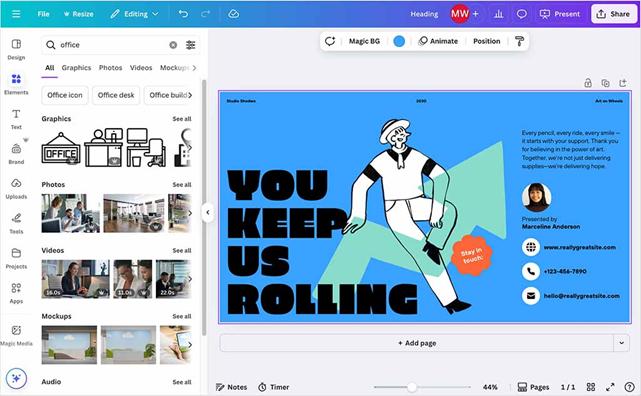
For design and visual content creation, Canva has become indispensable. Creating professional email templates and marketing graphics has never been easier, even for those without design experience.
Social Media Marketing Tools: Expanding Your Reach
Social media marketing tools are essential for building brand awareness and engaging with your audience. The right platforms help you manage multiple channels efficiently while tracking performance.
Meta Business Suite centralizes your Facebook and Instagram management, allowing you to schedule posts, respond to messages, and analyze performance from one dashboard. For e-commerce businesses, this integration is invaluable for running targeted ads and showcasing products.
Linktree solves the single-link limitation on platforms like Instagram by creating a customizable landing page with multiple links to your products, blog posts, and special offers.

Marketing Automation Tools: Work Smarter, Not Harder
Marketing automation tools save time and increase efficiency by handling repetitive tasks automatically. They’re crucial for scaling your e-commerce business without proportionally increasing your workload.
Platforms like Omnisend and SalesManago excel in this area, offering sophisticated automation workflows that trigger based on customer behavior. From welcome series to post-purchase follow-ups, these tools ensure no customer falls through the cracks.
Many growing businesses find that investing in custom automation solutions tailored to their specific workflows provides even greater efficiency. While off-the-shelf tools work well for standard processes, custom development can address unique business requirements that generic platforms can’t handle.
SEO & Analytics: Understanding Your Performance
You can’t improve what you don’t measure. SEO and analytics tools provide insights into how customers find and interact with your store.
Semrush is a comprehensive SEO platform that helps you identify keyword opportunities, track rankings, and analyze competitors. For e-commerce businesses, understanding search intent and optimizing product pages is critical for organic traffic growth.
Google Trends offers free insights into search behavior and seasonal trends, helping you time your campaigns and stock inventory accordingly.
Ahrefs provides powerful backlink analysis and content research capabilities, essential for building domain authority and outranking competitors.
Surfer SEO takes the guesswork out of content optimization by providing data-driven recommendations for on-page SEO.
Moz rounds out your SEO toolkit with excellent rank tracking and site audit features.
Similarweb gives you competitive intelligence by revealing traffic sources, audience demographics, and engagement metrics for any website.
CRM & Sales Tools: Managing Customer Relationships
A solid CRM system is the backbone of customer relationship management. These tools help you track interactions, manage sales pipelines, and deliver personalized experiences.
WordPress with WooCommerce provides maximum flexibility and control. While it requires more technical setup, WordPress powers over 40% of all websites and offers unmatched customization options.
Livespace focuses on sales pipeline management with an intuitive interface that sales teams actually want to use.
HubSpot CRM stands out for its generous free tier and seamless integration with other HubSpot tools. It’s particularly effective for businesses practicing inbound marketing.
Salesforce remains the gold standard for enterprises needing robust customization and advanced features.
Collaboration & Productivity Tools: Keeping Teams Aligned
Running an e-commerce business requires coordination across multiple teams and tasks. Business tools that facilitate collaboration are essential.
Microsoft Teams has become the go-to platform for organizations using Microsoft 365, offering chat, video conferencing, and file sharing in one place.
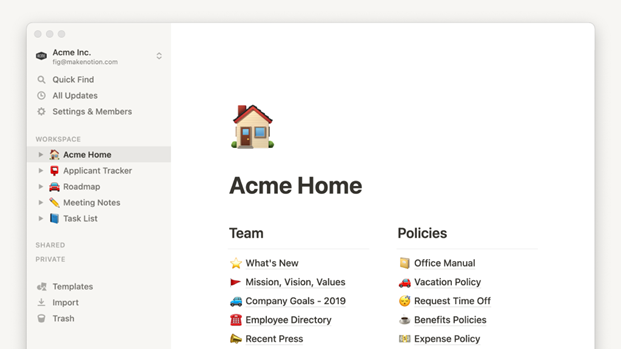
Notion provides flexible workspace creation for project management, documentation, and knowledge sharing.
Slack continues to be popular for its intuitive channels system and extensive integration ecosystem.
Integrating Your E-commerce Tech Stack
Selecting the right tools is only half the battle. The real challenge lies in integrating these platforms seamlessly so they work together efficiently. Many businesses struggle with disconnected systems where data doesn’t flow smoothly between tools, leading to manual work and missed opportunities.
Consider these integration priorities:
Data synchronization – Ensure customer information flows automatically between your website, CRM, and email marketing platform so you’re always working with current data.
Automation triggers – Set up workflows where actions in one tool automatically trigger responses in another, such as adding new customers to specific email sequences based on their purchase behavior.
Unified reporting – Consolidate data from multiple platforms to get a complete picture of performance. This often requires custom development work to pull information from various APIs and present it in meaningful ways.
Professional software solutions can bridge gaps between platforms, creating custom integrations that standard connectors can’t handle. This investment pays off through saved time, reduced errors, and better decision-making based on complete data.
Types of E-commerce Models and Their Tech Needs
Different types of e-commerce businesses require slightly different approaches to their tech stack:
B2C (Business to Consumer) stores typically prioritize customer-facing tools like email marketing and social media platforms to build brand loyalty.
B2B (Business to Business) operations need robust CRM systems and lead generation tools, often with longer sales cycles requiring sophisticated nurturing campaigns and proposal management systems.
D2C (Direct to Consumer) brands benefit from owning the entire customer journey, making analytics and personalization tools especially important for building direct relationships.
Scaling Your E-commerce Tech Stack
As your business grows, your tech stack needs will evolve. Start with essential tools that cover your immediate needs, then expand strategically based on data and bottlenecks you identify.
Early-stage businesses should focus on website, email marketing, and basic analytics. As you grow, add specialized tools for social media management, advanced automation, and deeper analytics. Mature businesses often benefit from custom software development to address specific operational challenges that off-the-shelf solutions can’t solve effectively.
Conclusion: Your Path to E-commerce Success in 2026
Building a successful e-commerce business in 2026 requires more than just great products. The right e-commerce tech stack empowers you to attract customers, convert sales, and build lasting relationships. From email marketing tools and social media management to CRM systems and analytics platforms, each component plays a crucial role in the overall marketing strategy.
Remember, the best tech stack is one that scales with your business. Start with essential tools, measure their impact, and expand as you grow. Whether you’re building from scratch or optimising existing systems, partnering with experienced developers who understand both technology and e-commerce can make the difference between a good online store and a great one.
The future of e-commerce belongs to businesses that leverage technology effectively while maintaining the human touch that builds customer loyalty. With the right tools and proper implementation, your online store can thrive in 2026 and beyond.

Website Launch Checklist!
Discover CDT Software Development Services, your trusted partner for custom software development, AI solutions, and more.
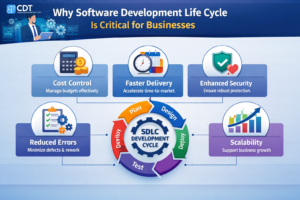
Software development life cycle
why the software development life cycle is critical for businesses to build secure, scalable, and high-quality software solutions.